Conventional Spine Surgery
Some spinal conditions, including instability, deformity, or advanced narrowing around the nerves, may require conventional surgery such as fusion or decompression. The approach is carefully selected after a detailed evaluation of your symptoms, medical history, and imaging results. Our goal with conventional spine surgery is to decompress pinched nerves, stabilize the structural integrity of your spine, and ultimately restore your quality of life. From initial consultation to post-operative rehabilitation, we prioritize a comprehensive and structured recovery process.
Spinal Fusion
Spinal fusion is a highly effective surgical procedure considered when the spinal column becomes unstable due to severe degenerative disease, trauma, or wear over time. By joining two or more vertebrae together using advanced bone grafts and specialized hardware (such as pedicle screws and rods), this procedure eliminates painful motion in the unstable segment. Our team utilizes minimally invasive techniques whenever possible to stabilize your spine, reduce nerve compression, and promote a faster, more comfortable recovery while restoring your overall structural integrity and daily function.
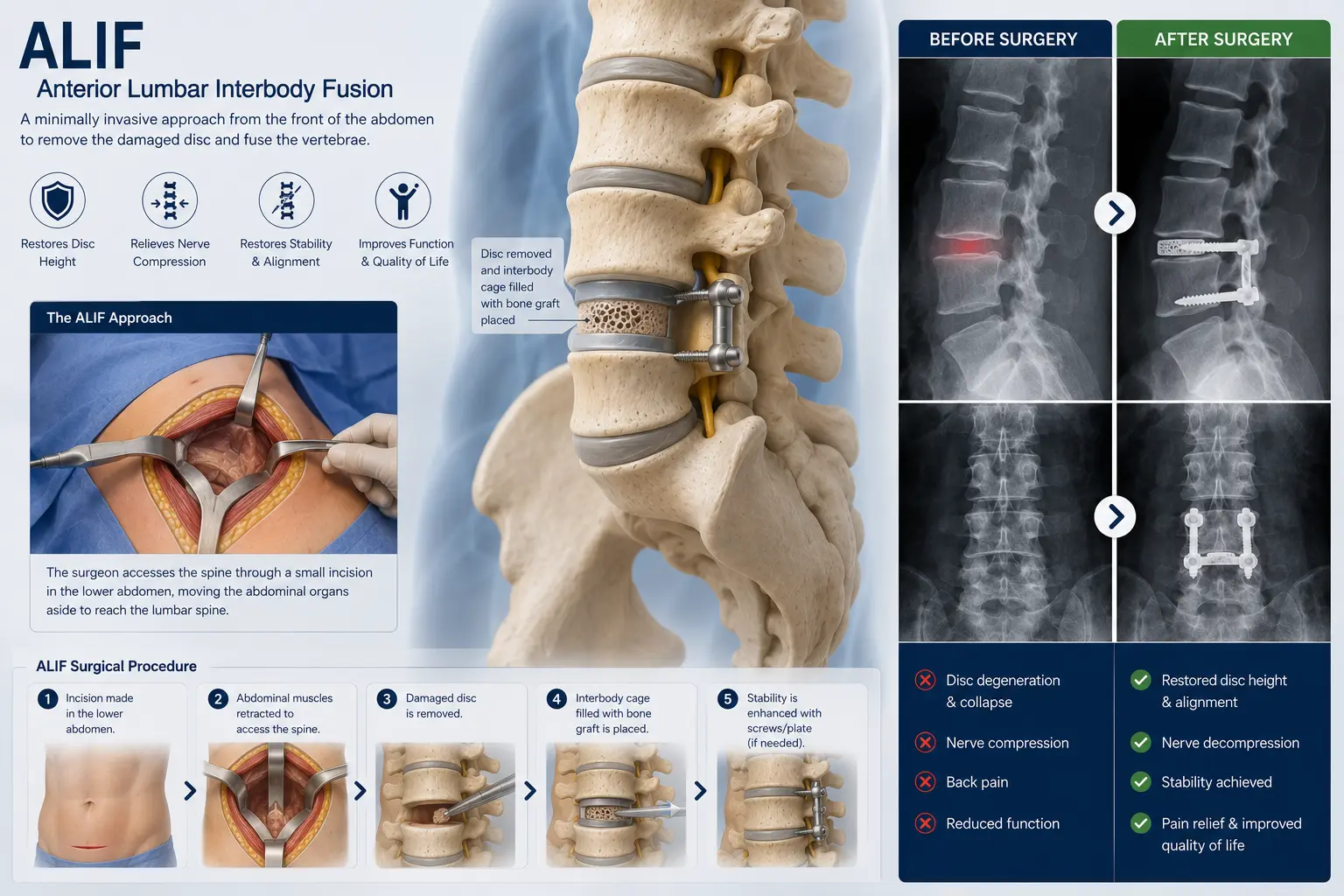
ALIF
Anterior Lumbar Interbody Fusion involves approaching the spine from the front (abdomen). This technique allows for excellent access to the disc space and a large bone graft while completely preserving the delicate back muscles. By avoiding posterior muscle dissection, ALIF significantly reduces post-operative pain and speeds up recovery, while allowing the surgeon to restore normal spinal alignment with a larger, more stable spacer.
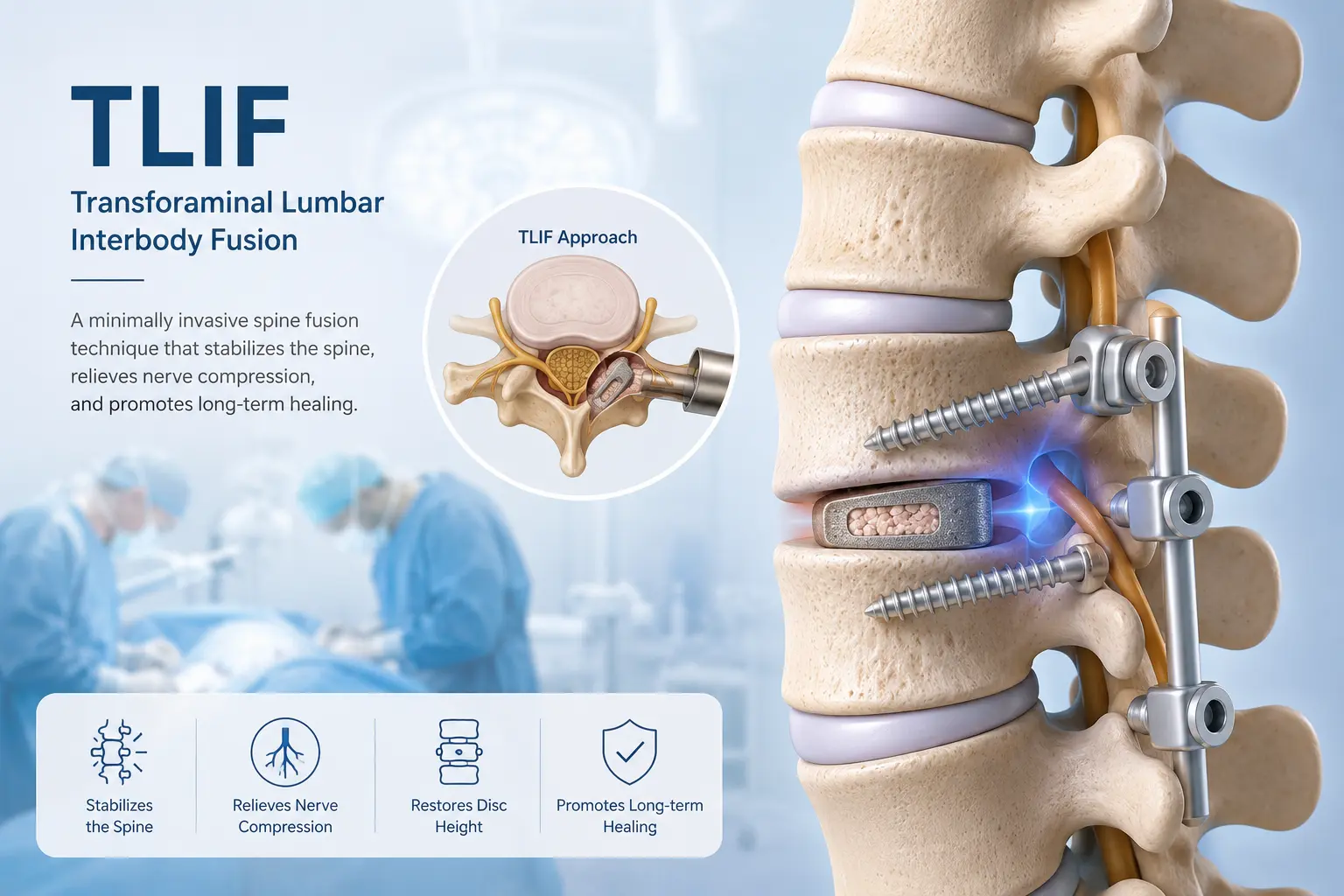
TLIF
Transforaminal Lumbar Interbody Fusion approaches the spine from the back and side. This route allows the surgeon to access the disc space safely while minimizing manipulation of the spinal nerves. TLIF is a highly versatile technique that allows for simultaneous decompression of the nerve roots and fusion of the unstable segment, all through a unilateral approach that preserves key stabilizing structures on the opposite side.
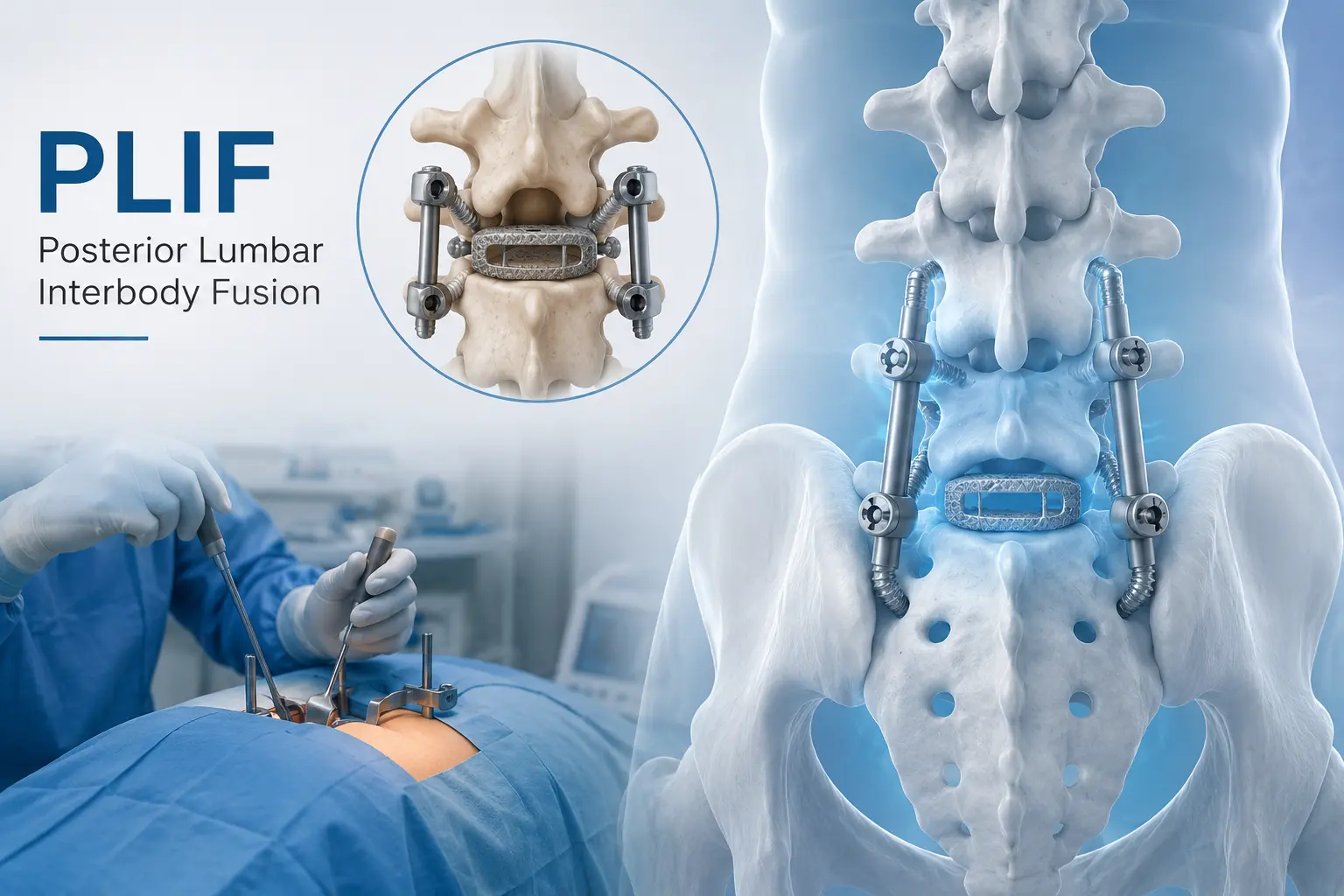
PLIF
Posterior Lumbar Interbody Fusion is performed entirely from the back. The surgeon removes the lamina to reach the disc space, clears it, and inserts a bone graft to promote solid fusion. This traditional and highly reliable approach provides excellent direct visualization of the nerve roots, allowing for thorough bilateral decompression before stabilizing the spine with robust posterior instrumentation.
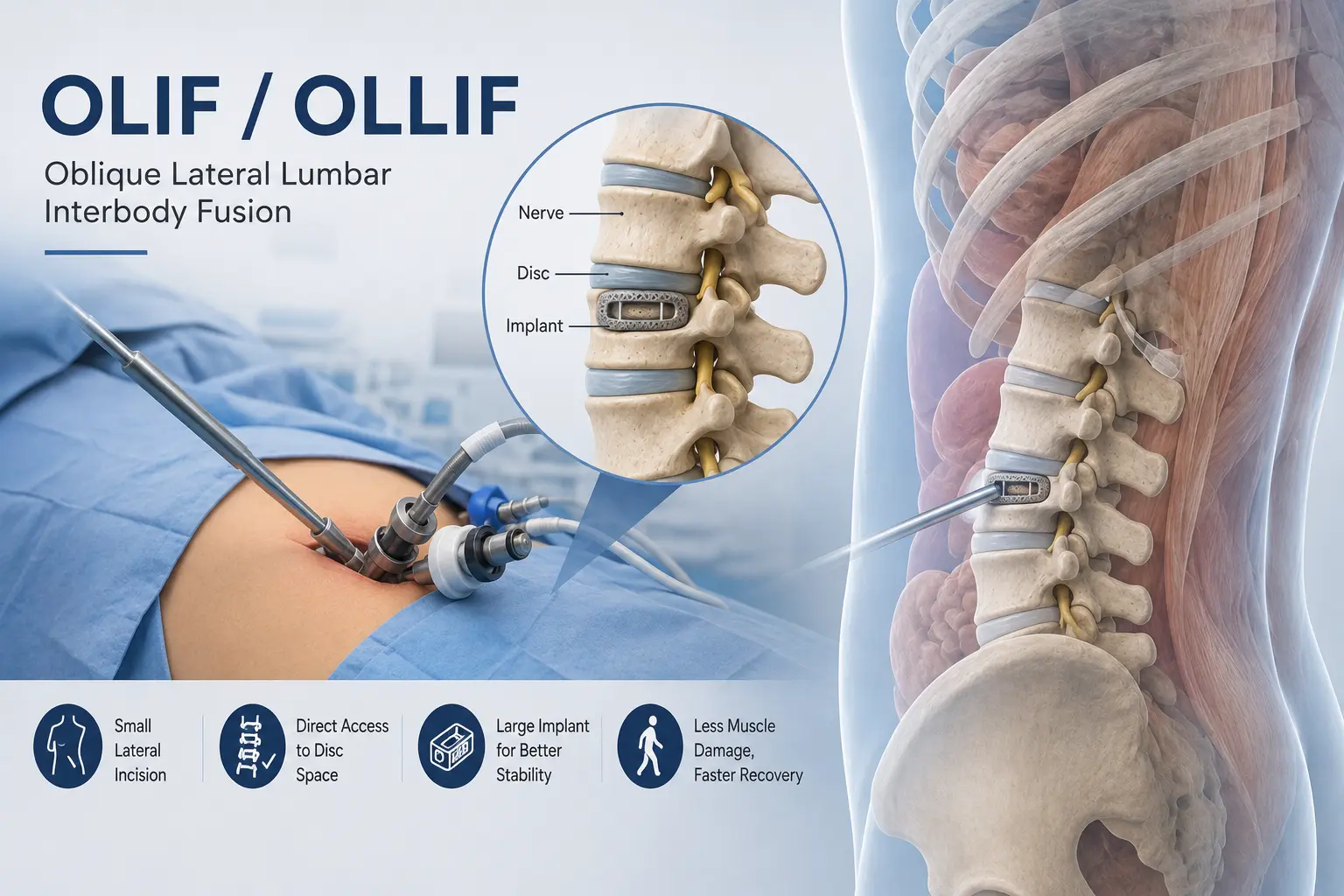
OLIF / OLLIF
Oblique Lateral Lumbar Interbody Fusion is an advanced, minimally invasive surgical technique used to fuse the lumbar spine from a lateral approach. This significantly reduces muscle damage, allowing for a much faster recovery while effectively stabilizing the spine. Because the oblique corridor bypasses both the major abdominal vessels and the sensitive psoas muscle network, patients often experience significantly less surgical trauma and a remarkably rapid return to daily activities.
Spinal Decompression
When spinal stenosis, herniated discs, or bone spurs cause severe nerve pressure, patients often experience radiating pain, numbness, or weakness in their limbs. Spinal decompression surgeries are highly targeted procedures designed to relieve this pressure, widen the spinal canal, and restore healthy nerve function. Whether utilizing traditional laminectomies or precision microsurgical techniques, our primary goal is to alleviate your debilitating symptoms and help you regain your mobility as quickly and safely as possible.
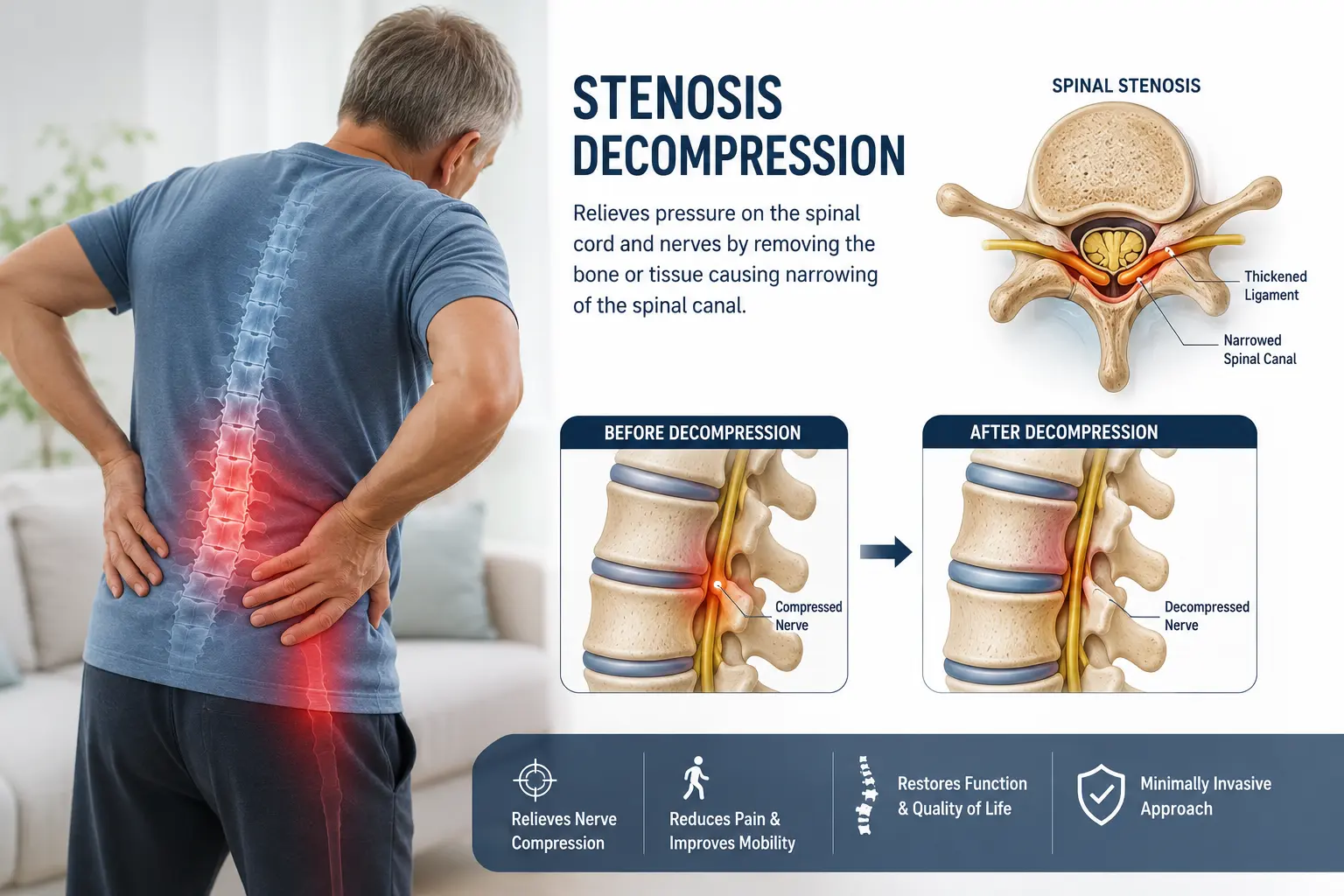
Stenosis Decompression
Involves carefully removing the overgrown bone, ligaments, or tissue causing the pressure to make room for the nerves to heal. This is often combined with fusion if underlying structural instability exists. Utilizing advanced high-speed burrs and microscopic visualization, we meticulously widen the spinal canal to restore healthy cerebrospinal fluid flow and relieve the debilitating leg pain, numbness, and neurogenic claudication associated with severe spinal stenosis.
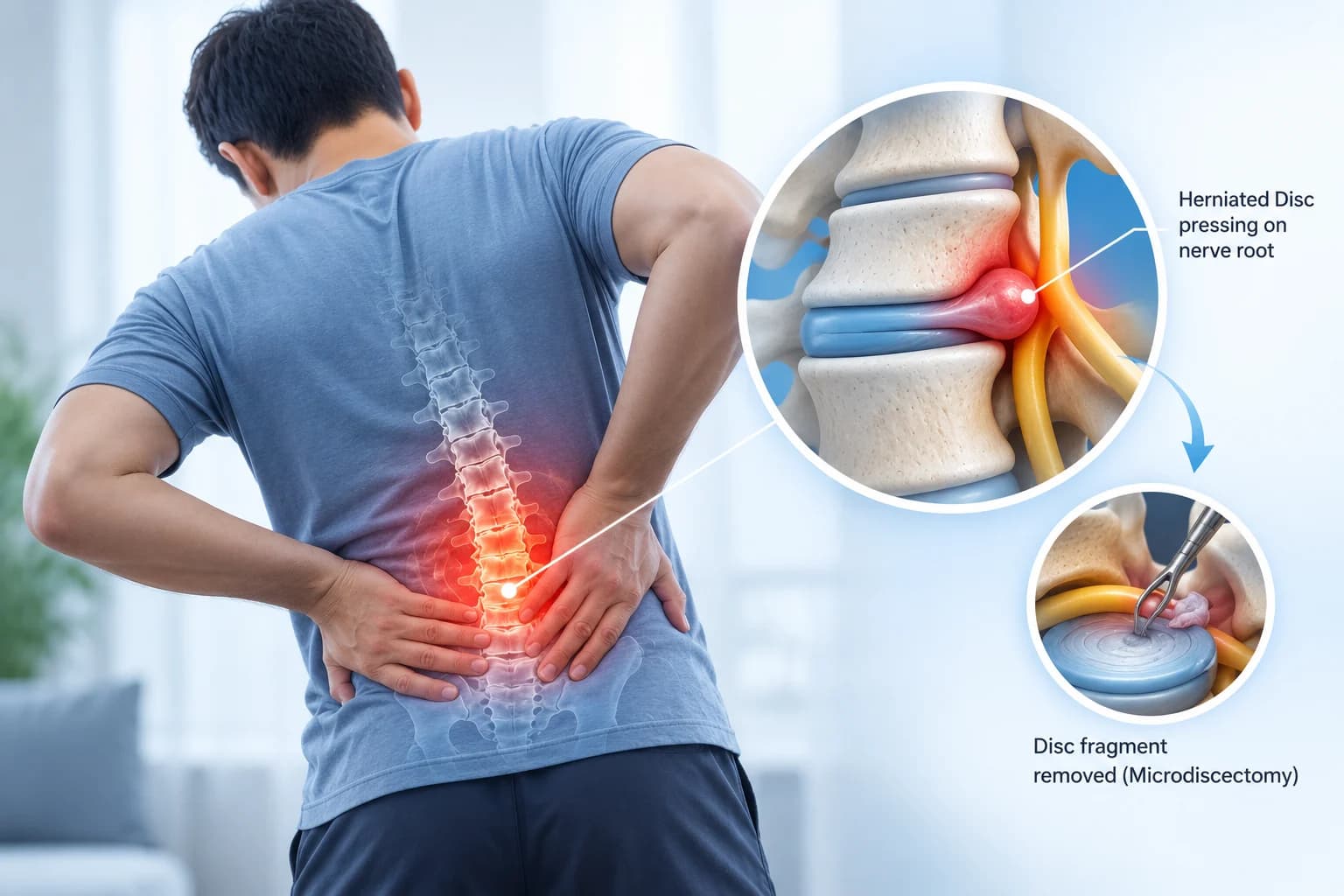
Microdiscectomy
When an endoscopic approach is not anatomically suitable, microsurgical discectomy is performed through a tiny incision. Using a high-powered surgical microscope, we precisely remove the exact portion of a herniated disc affecting the nerve root. This gold-standard minimally invasive technique allows for maximal preservation of the healthy disc wall and surrounding bone. Patients typically experience immediate relief from sharp radiating sciatic pain and often go home the very same day.
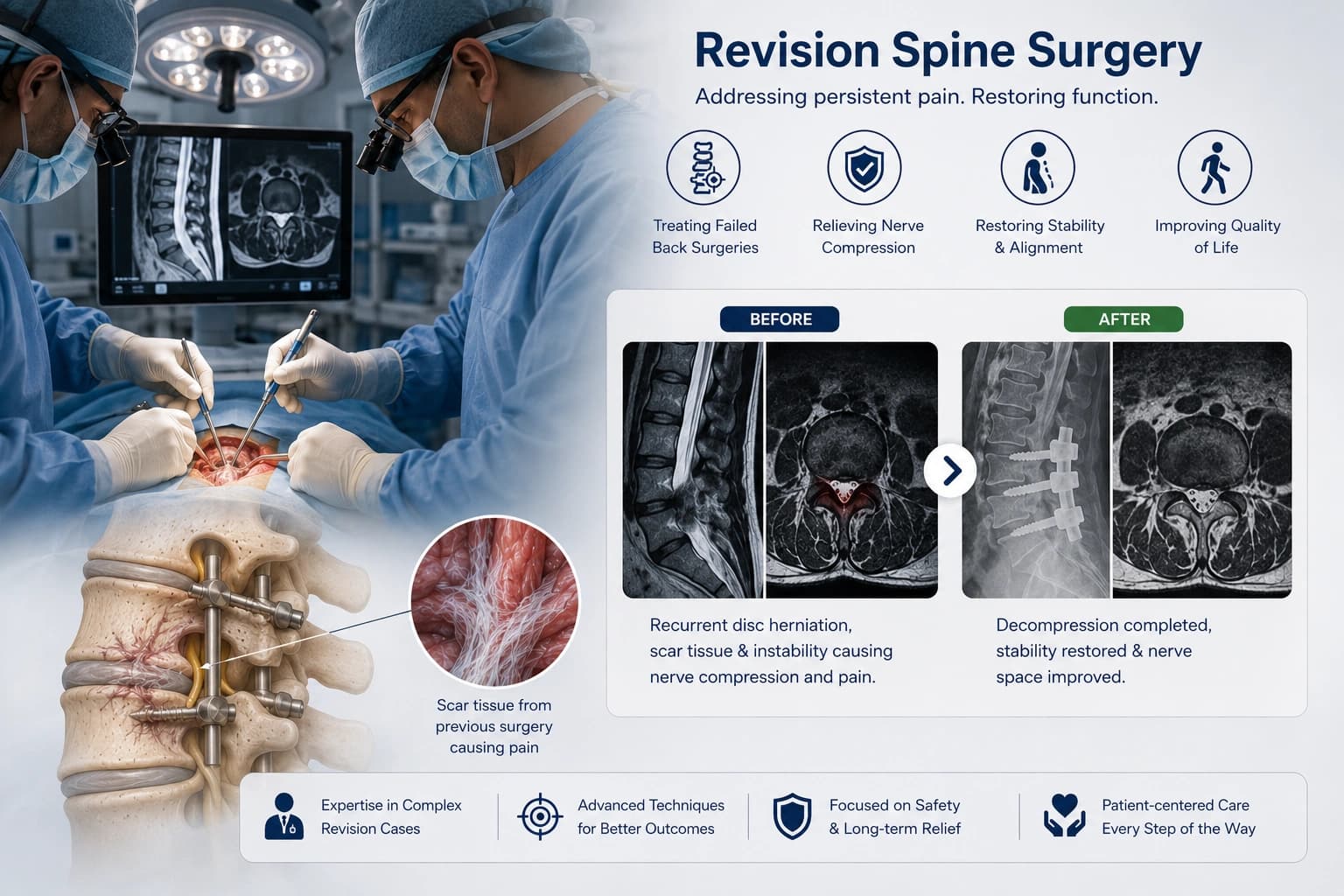
Revision Spine Surgery
Patients who have had previous spine surgery but continue to experience pain—or have developed hardware failure, non-union (pseudarthrosis), or adjacent segment disease—require expert evaluation and precise surgical correction. Revision surgery is highly complex and demands an experienced neurosurgical approach. We carefully assess your prior surgical outcomes and design a comprehensive plan to safely remove old hardware, correct deformities, and finally achieve the stabilization and pain relief you need.
Spine Conditions
The spine is a complex structure that can be affected by a wide range of degenerative, traumatic, or systemic pathologies across the cervical, thoracic, and lumbar regions. Our clinic specializes in the expert diagnosis and advanced care of these diverse conditions. From age-related wear and tear to complex spinal tumors and serious infections, we employ cutting-edge diagnostic tools and evidence-based treatments to ensure the best possible neurological outcomes for every patient we treat.
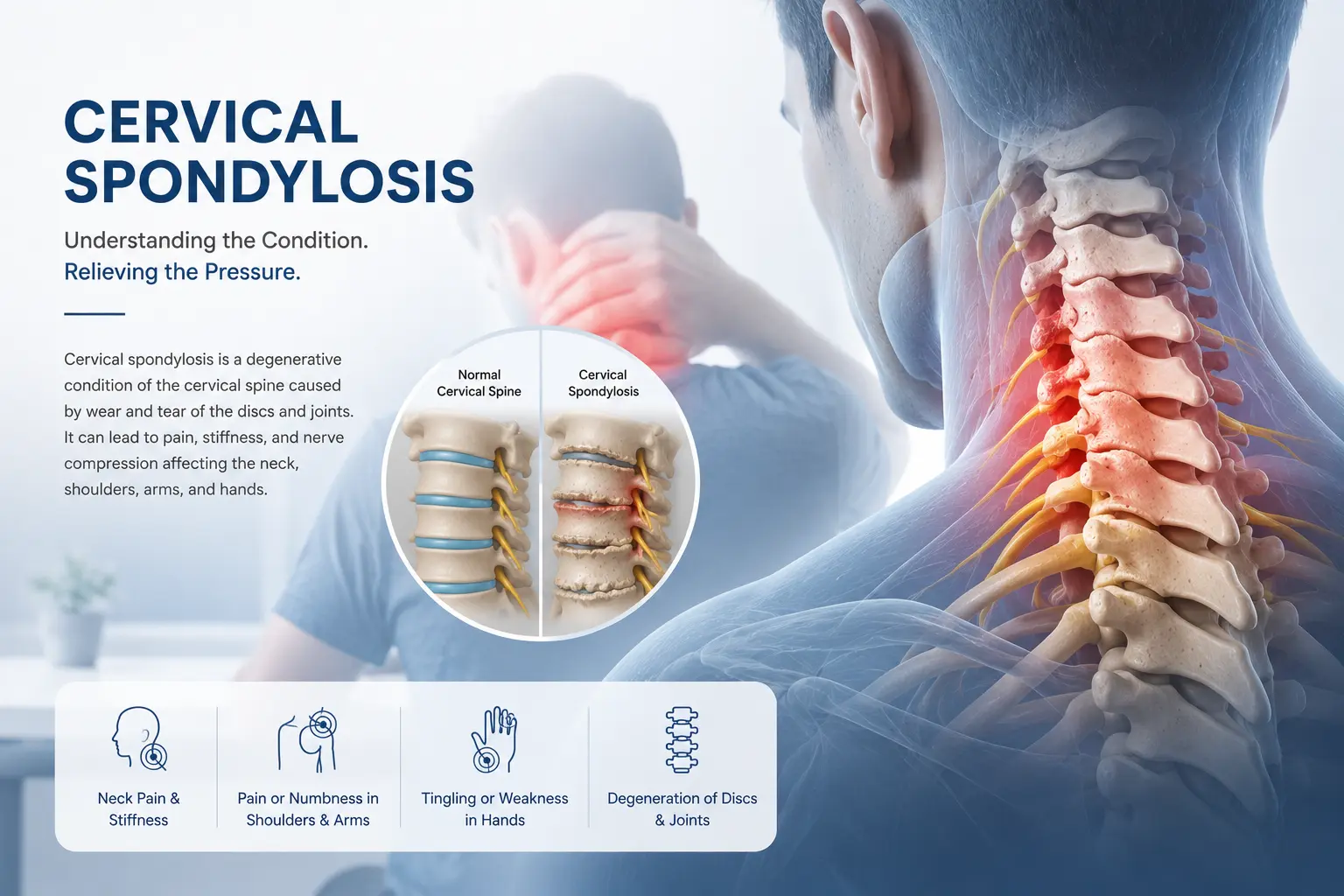
Cervical Spondylosis
A common, age-related wear and tear affecting the spinal disks in your neck. Treatment ranges from targeted conservative care and physical therapy to precise surgical decompression if the cervical nerves become dangerously pinched. When spinal cord compression (myelopathy) or severe nerve root pinching (radiculopathy) occurs, surgical options like Anterior Cervical Discectomy and Fusion (ACDF) are highly effective in halting neurological decline and restoring function.
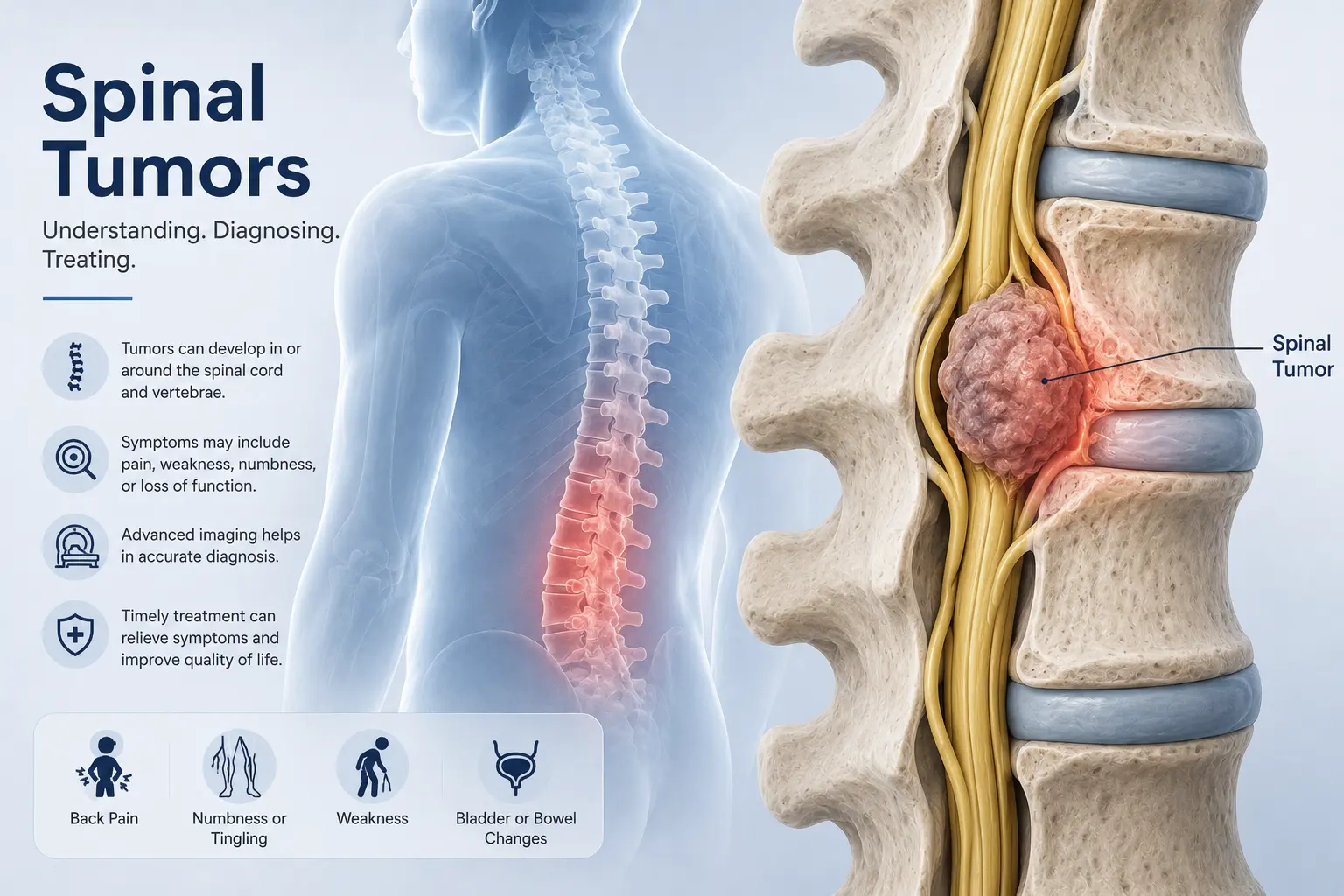
Spinal Tumors
Expert surgical management of both benign and malignant tumors located within or surrounding the spinal cord and vertebral column, focusing on safe tumor resection and preserving spinal stability. Utilizing intraoperative neuromonitoring and advanced microsurgical techniques, we strive for maximal safe resection while protecting delicate neural pathways. Each case is approached comprehensively, often in collaboration with neuro-oncologists, to ensure optimal long-term outcomes.
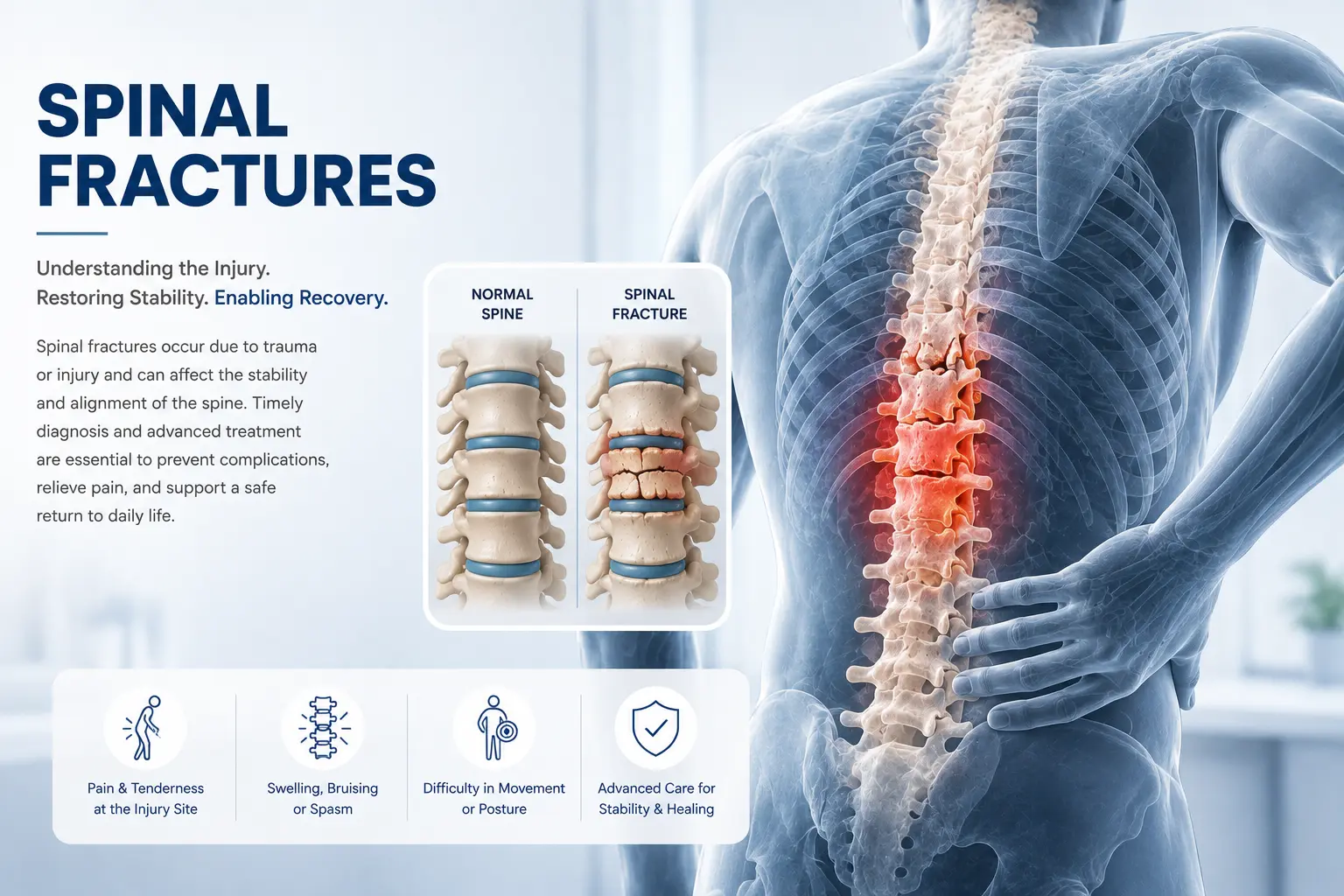
Spinal Fractures
Prompt stabilization and surgical repair of vertebral fractures resulting from severe trauma, advanced osteoporosis, or other underlying structural conditions to prevent spinal cord injury and chronic pain. Depending on the fracture type, treatments range from minimally invasive cement augmentations (kyphoplasty) to complex posterior instrumentation, instantly restoring the structural height of the spine and allowing patients to mobilize safely.
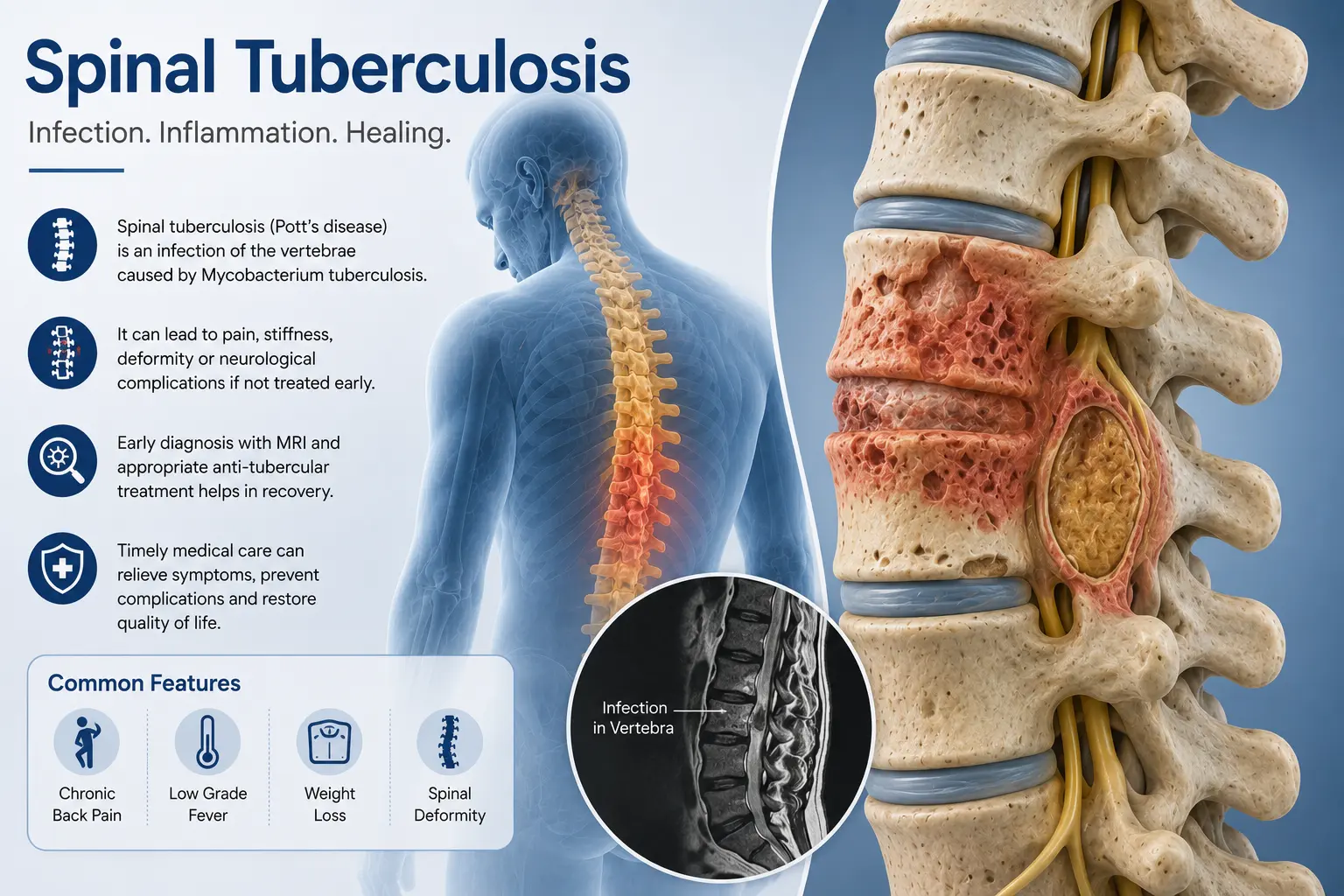
Spinal Tuberculosis
Also known as Pott's disease, this complex infection requires a strict combination of long-term medical therapy and, frequently, expert surgical debridement and stabilization to prevent severe spinal deformity and nerve damage. Surgery becomes critical when there is a large abscess, progressive neurological deficit, or severe angular deformity (kyphosis). By aggressively clearing the infected tissue and stabilizing the spine with robust hardware, we give the body the structural support it needs to eradicate the infection completely.
Discuss Your Surgical Options
Schedule a comprehensive evaluation to discuss whether non-surgical care, decompression, fusion, or another approach is appropriate.
Contact the Clinic